1. Conserve electricity
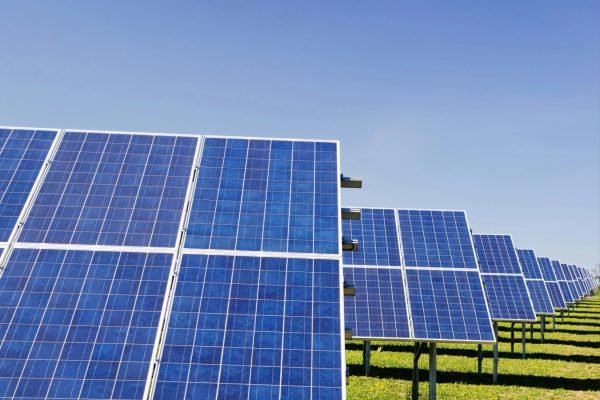
The U.S. Energy Information Administration (EIA) notes that residential electricity usage produces 311 million metric tons of carbon dioxide yearly. Simple tasks, like turning off lights or unplugging unused devices, lower your home’s environmental footprint and may also lower your electricity bill. Some affordable things you can do to lower your usage are using LED light bulbs, automating your thermostat, and lowering your water temperature. On the more expensive side, solar panels save electricity by generating free power from the sun which lowers carbon emissions.
2. Shop secondhand
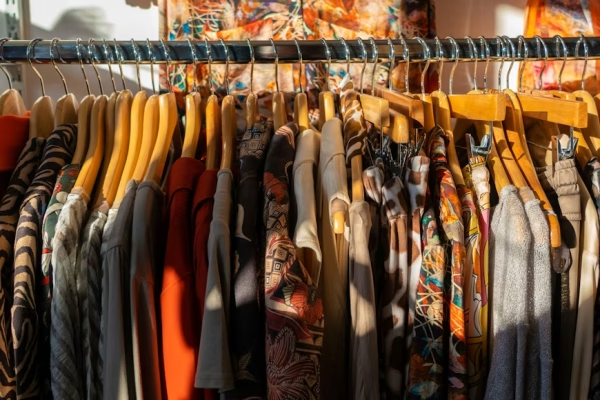
Secondhand items have a unique value in extending the lifespan of products, changing the way we consume, and contributing to a sustainable economy. Thrifting keeps clothing in use for longer, which can help limit wasted resources through decreased demand for new products. Embracing second-hand consumption instead of buying new clothes leads to up to 42% lower impacts for climate change and cumulative energy demand.
3. Consume Less

Freebies at events, cheap goods on clearance, a popular product that promises to make your life better, none of these are essential. As social creatures in a society built around consumerism, it makes sense that we’re willing to buy things we don’t need and maybe can’t afford. As a result, Americans throw out nearly five pounds of trash per person per day. Next time you’re tempted to purchase or accept a non-essential item, think about whether it would truly improve your life.
4. Choose reusable over single-use

Think about how many people you see each day drinking beverages from disposable cups or disposable bottles, sipping from disposable straws, carrying disposable grocery bags, eating from disposable plates or containers and using disposable utensils. The production and disposal of single-use items, especially plastics, are clogging up our waterways and oceans, killing wildlife, adversely impacting our climate, and taking tremendous tolls on ecosystems.
5. Upcycle more

Get creative with your useless or unwanted items by upcycling, turning trash into treasure. Upcycling is the practice of creating a usable product from waste or unwanted items or adapting an existing product in some way to add value. Primarily, it significantly diminishes the amount of discarded materials that fill up our landfills, thus reducing the need for landfill space and its consequential environmental impacts. Creating something new such as artwork, toys or jewelry is both satisfying and one of the best ways to protect the environment.
6. Don’t waste food

Did you know food that ends up in landfills emits greenhouse gases? Wasting this food also means wasting the energy, water, resources, and emissions that went into producing that food. Wasting food at the household level also means wasting money, the average American family of four wastes $2913 per year on wasted food. Cut down your food waste by creatively using parts of produce you may not typically cook, repurposing take-out leftovers into something new and composting the food odds and ends you can’t eat.
7. Plant trees

Trees help clean the air we breathe, filter the water we drink, and provide habitat to over 80% of the world’s terrestrial biodiversity. Every year approximately 10.9 million hectares of forest are destroyed and this deforestation, together with agriculture and other land use changes, is responsible for roughly 20% of global greenhouse gas emissions. We can all play a part in reversing this trend by planting trees, either individually or as part of a collective. For example, the Plant-for-the-Planet initiative allows people to sponsor tree-planting around the world.
8. Keep up the political pressure
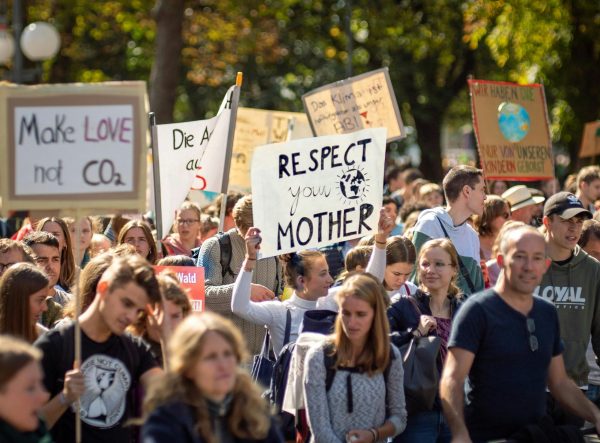
Global climate change is a massive collective action problem, it affects us all. While changes in individual behavior can help reduce emissions, system-level changes to the way human societies use energy and natural resources are needed to limit global warming. Public will, especially as expressed through citizen activism, is an important influence on the policymaker process. Being politically engaged is not limited to voting and it certainly isn’t limited by how young you are. Every year more and more young people are working together to show our political leaders that they want change.
9. Transform your transport
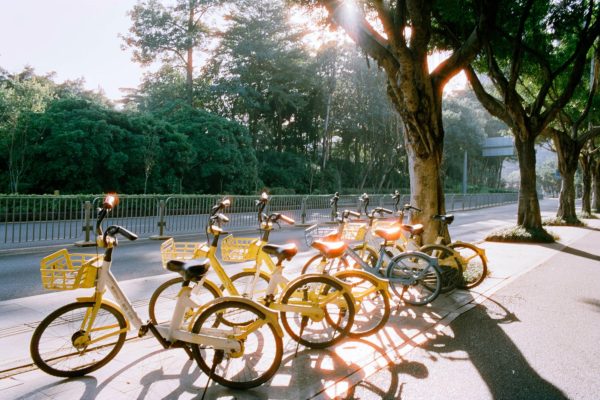
Transportation is the largest source of carbon emissions in the United States. Most cars, trucks, ships and planes run on fossil fuels, such as gasoline, diesel and kerosene, which release carbon dioxide, a greenhouse gas. Before jumping in the car, look into various transportation options to see which would have the smallest environmental impact. Walking, biking or taking public transportation can reduce your environmental footprint and teach you more about a particular place, its people and culture. If you need to fly, consider ways to offset your carbon footprint.
10. Remember the 3 R’s!
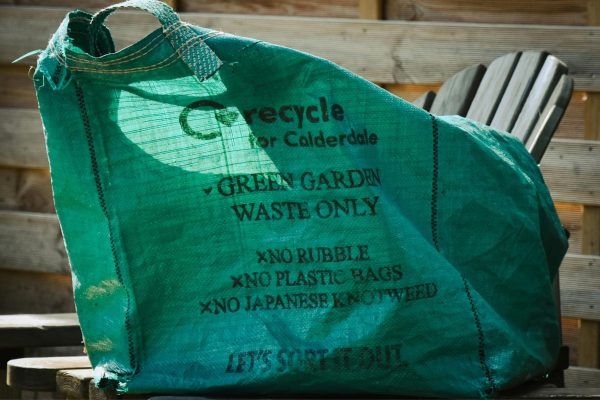
You might remember learning the classic phrase, “reduce, reuse and recycle” at some point in school. The 3 ‘R’s are all about minimizing the amount of waste we produce, reusing products as much as we can, and remembering to recycle any materials that can be used for a new purpose. By following this, we can prevent water and air pollution from waste and production, conserve materials, and keep fewer items out of landfills.