
Skip to Content
Categories:

Wired: Reclaiming the sound

Wired headphones make a comeback
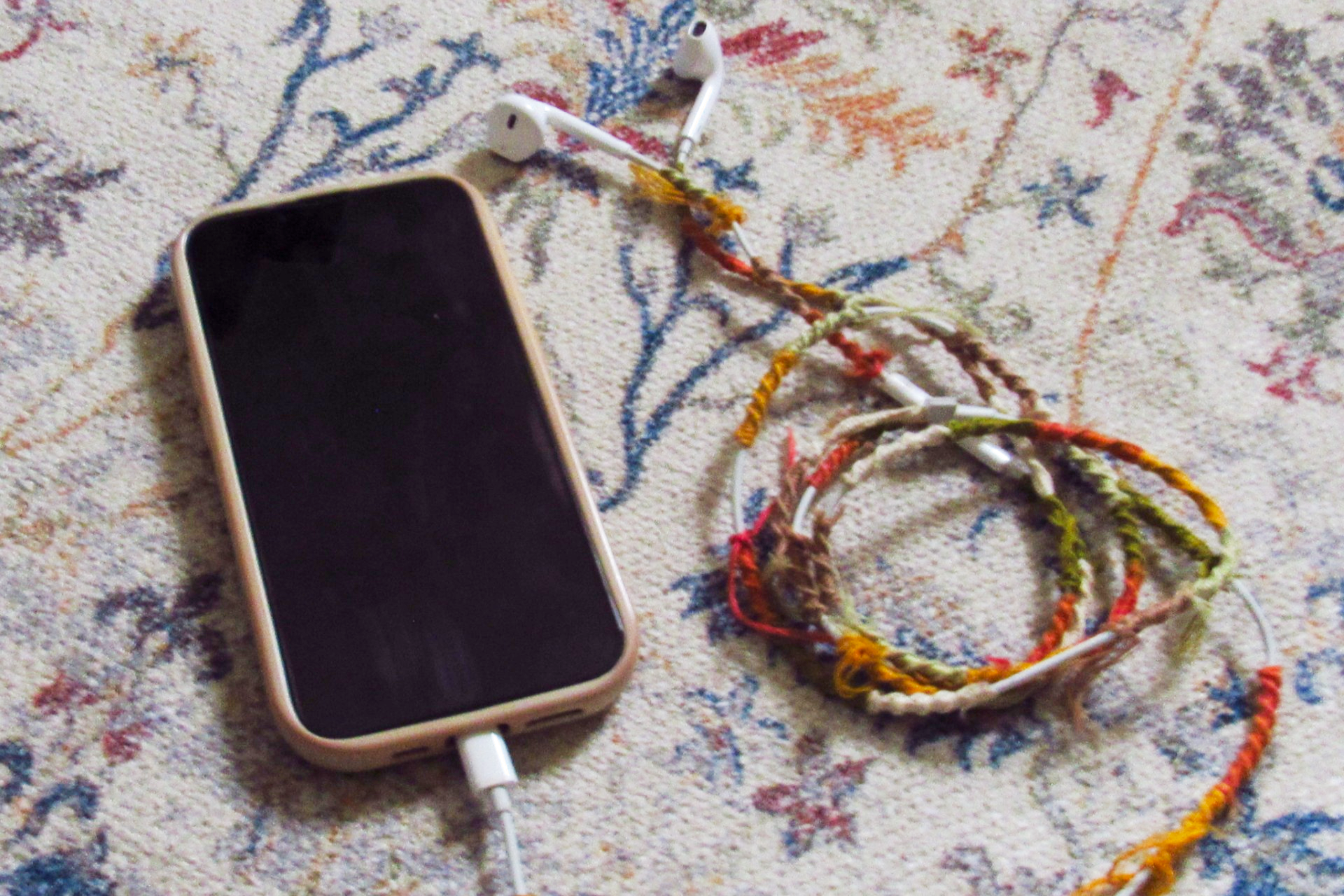
A phone with wired headphones plugged in. These wired headphones were wrapped in embroidery thread for an aesthetic element.
Evelyn Koehler
Hannah Lisk listening to music with her wired headphones. She has wrapped her headphones in embroidery thread.

Wired headphones were once replaced for the seemingly more convenient Bluetooth devices. However, 10 years later, wired headphones are making a comeback.

According to US market research company Circana, sales revenue for wired headphones rose by 20% in the first six weeks of 2026. The return of wired headphones raises an obvious question: why are people gravitating back to technologies that are less feature-rich, less flashy and, on paper, less modern?

Although they can sometimes seem random, trends don’t often start in a vacuum. Trends tend to come and go in cycles, and can reflect wider society.
Hannah Lisk listening to music with her wired headphones. She has wrapped her headphones in embroidery thread. (Evelyn Koehler)
Sound quality

When it comes to sound quality, wired headphones generally offer better audio performance because they can transmit sound directly through the cable. The biggest advantage of wired headphones is their consistency. With a direct physical connection, there’s no risk of signal drops or pairing issues.

Wireless headphones, on the other hand, use Bluetooth technology, which often compresses audio signals to maintain connectivity. A big part of the sound quality is the audio compression, and the ability to play lossless audio.

Wireless headphones typically can’t quite do lossless audio. What that means is that if a wireless connection is used for headphones, there will be at least some loss of quality in the audio.

Unlike wireless models that may occasionally suffer from latency or connection hiccups, wired headphones offer a stable, no-fuss listening experience that’s especially valuable in professional or distraction-free settings.

In a recent survey, when asked whether a preference was had between wired and wireless headphones, it was found that 79.5% of Granville High School students surveyed preferred wireless.

It is clear that the rising popularity of wired headphones has not fully infiltrated our school as of right now. However, there is still a minority population that follows this nostalgic trend. A couple of years ago would have resulted in an even lower percentage of wired headphone users than 20.5%.

Cost efficient

Across much of the world, inflation and rising living costs disproportionately affect younger people, many of whom have less disposable income than previous generations. They are entering a punishing job market while facing inflated prices for everything from groceries to rent. In that context, non-essential spending is increasingly scrutinized.

Financial concerns can drive nostalgia, and sometimes older tech can come by cheaper than its modern counterparts, making wired headphones a desirable option.

Maya Stevenson, a sophomore at GHS, voted in favor for wired headphones in the most recent survey. She believes wired headphones are not only just practical, but a more cost efficient option.

“When I wear wireless, I always feel like I’m gonna lose them,” Stevenson said. “Wired is just easier to maintain and cheaper to replace.”

In comparing Apple’s headphones, the average cost of wired is $19 while wireless can cost around $130. Wired headphones cost less because they don’t require wireless hardware. Wired headphones come in a wide range of prices, offering excellent value for money even in budget-friendly models. This makes them an ideal choice for budget-conscious consumers.

Practical and environmental benefits

The environmental footprint of electronics is tied not only to usage but also to longevity. Once that battery dies, most wireless headphones end up in the trash. The batteries can’t be easily replaced in most models. So you’re stuck buying a new pair and throwing away perfectly good hardware just because the battery wore out.

Deniz Turkmen, a junior at GHS, believes that wired headphones are a planet-friendly choice when it comes to her listening device.

“Environmentally, wired headphones benefit more than wireless,” Turkmen said. “No batteries are required, longer lifespan, easier repairability, and lower carbon footprint.”

Bluetooth devices are destined to become e-waste and pollute the environment. Nearly 7.8 million tons of e-waste is disposed of each year. The disposability of these wireless headphones only adds to this increasing pile of e-waste.

With wired headphones, the battery never needs to be charged because they don’t use batteries. Unlike wireless headphones, your phone powers wired ones.

This means that fewer precious metals are mined from the Earth and zero lithium-ion batteries end up in landfills when it comes time to retire your wired headphones. In turn, fewer chemicals will leech into the environment to contaminate soil and groundwater.

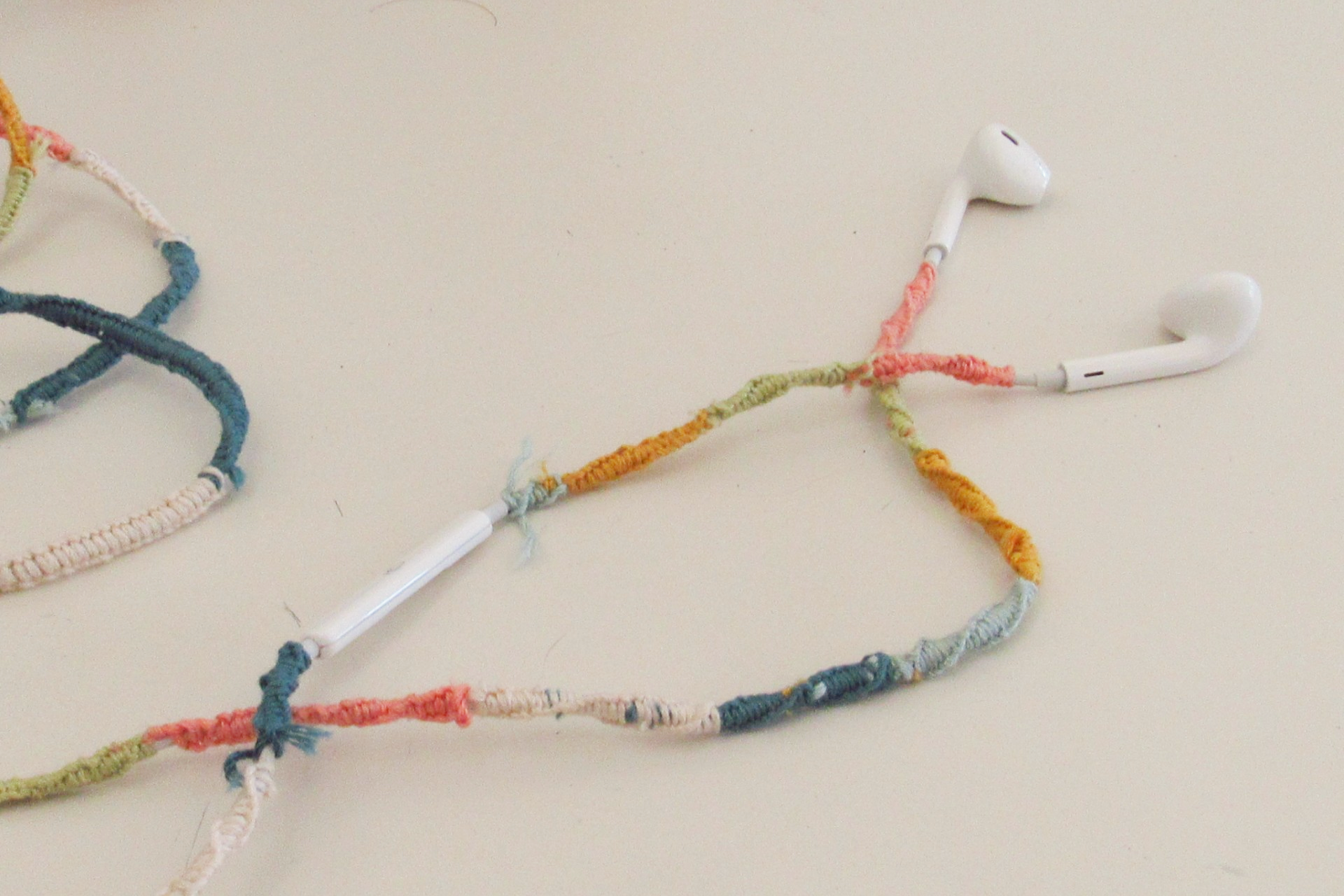
Wired headphones wrapped with embroidery thread. They were created by a student at GHS.
Pure nostalgia

Wired headphones, once-forgotten accessories, have reemerged as a surprising fashion statement, blending early-2000s nostalgia with a deliberate aesthetic sensibility.

The early 2000s continue to inspire a cultural renaissance. From vintage digital cameras to flip phones, the Y2K aesthetic has captured the imagination of Gen Z and Millennials alike. Wired headphones fit seamlessly into this stylistic revival.

This revival of an old listening device is different from the aforementioned person who only listens to vinyl or cassette tapes because that choice is categorically inconvenient. This choice points to a larger desire to return to a simpler time when the priority was listening to as much music as possible, not the newest, flashy device that you could listen to music with.

Jamsion Shrode, a freshman at GHS and wired headphones user, notes that wired headphones have the capacity to do what wireless headphones can do, even without all the fancy mechanics.

“I feel like unwired headphones are too modern and excessive for just doing what wired headphones do,” Shrode said.

The reappearance of wired headphones is not a step backward in technology, but a leap forward in cultural meaning. Once sidelined by innovation, they’ve returned as a potent symbol of nostalgia, individuality and style.

Wired headphones wrapped with embroidery thread. They were created by a student at GHS. (Evelyn Koehler)
Donate to Blue Ace Media
$50
$800
Contributed
Our Goal

Your donation will support the student journalists of Granville High School. Your contribution will allow us to pay for our annual website hosting costs.


More to Discover
Donate to Blue Ace Media
$50
$800
Contributed
Our Goal